Jul 01, 2026
How SoFi Private Student Loans Work and What Eligible Students Should Know Today
- Jeff Weasley


Credit Card vs Debit Card: A Smart Money Guide for 2025
Did you know that many Americans carry both credit and debit cards, yet don’t always use them in ways that maximize their benefits? After years of helping people navigate the often-confusing world of payment options, I’ve learned that choosing the right card for the right moment can make a real difference in managing your money effectively. Here’s what to consider when deciding between credit and debit.
Credit cards operate as a revolving line of credit from financial institutions. The spending limit varies from hundreds to thousands of dollars, determined by individual creditworthiness. Each purchase represents borrowed money, requiring repayment within the billing cycle or accruing interest charges.
Debit cards provide direct access to bank account funds. Every transaction immediately withdraws money from the linked account, limiting spending to available balances. Unlike credit cards, debit transactions represent real-time access to personal funds rather than borrowed money.
Credit cards offer superior fraud protection with zero liability policies and robust dispute processes. While both card types include basic security measures, credit cards typically provide stronger purchase protection and more comprehensive coverage against unauthorized transactions.
Credit card transactions include built-in safeguards for disputed purchases and defective merchandise. Debit cards offer more limited protection, with funds already withdrawn making dispute resolution potentially more challenging.
Credit cards include a grace period of 21-25 days for purchase repayment without interest charges. Unpaid balances after this period incur high interest rates, particularly for cash advances. Debit cards involve no interest charges as they use existing funds.
Credit cards may include annual fees, late payment penalties, foreign transaction charges, and over-limit fees. Debit cards generally carry minimal fees, though overdraft charges can apply when exceeding available balances.
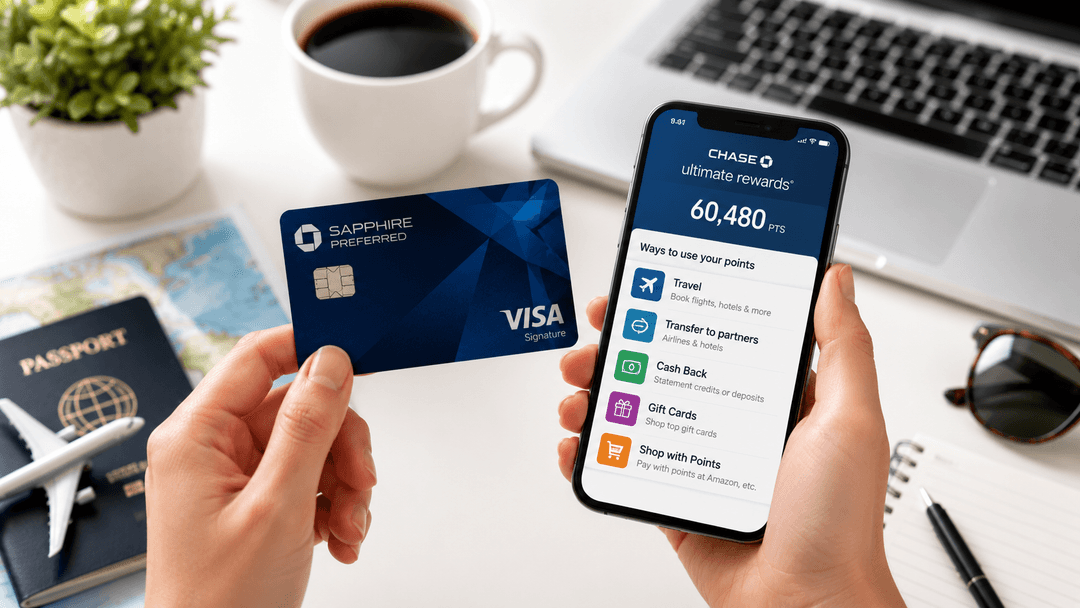
Credit cards frequently offer valuable rewards programs including:
Debit cards typically provide:

Credit cards can work for:
Debit cards prove effective for:
Your choice between a credit card and a debit card can influence how you manage your finances. Credit cards can offer perks and flexibility if used responsibly, while debit cards help limit overspending and keep things simple. For many people, using both in a complementary way—credit for larger purchases and debit for everyday expenses—can strike the right balance.
This article is intended for general informational purposes only and does not constitute financial, legal, or professional advice. The strategies discussed may not apply to all situations or credit cards. Always review the specific terms and conditions of any credit card offer and consult with a qualified financial advisor before making decisions related to your personal finances.