Jul 01, 2026
How SoFi Private Student Loans Work and What Eligible Students Should Know Today
- Jeff Weasley

How Do Credit Cards Work: A Complete Guide to Credit Card Mechanics in 2025
Did you know that the average American carries 4 credit cards in their wallet? While these powerful financial tools have become essential to modern life, many cardholders don’t fully understand what happens behind the scenes when they swipe, tap, or insert their cards. I’ll break down the mechanics of credit cards, helping you grasp everything from the basic transaction process to advanced security features.
Credit limits represent the maximum borrowing capacity assigned to cardholders. Card issuers determine these limits by evaluating credit history, income levels, and existing debt obligations. Unlike debit cards that access existing bank funds, credit cards provide a revolving line of credit for future repayment.
Card networks facilitate transactions between merchants, banks, and consumers. These networks establish the infrastructure for processing payments while card issuers manage individual accounts and extend credit lines.
Every credit card account contains essential elements: the assigned credit limit, an annual percentage rate (APR), payment terms, and various fees. These components form the foundation of the borrowing relationship between cardholder and issuer.
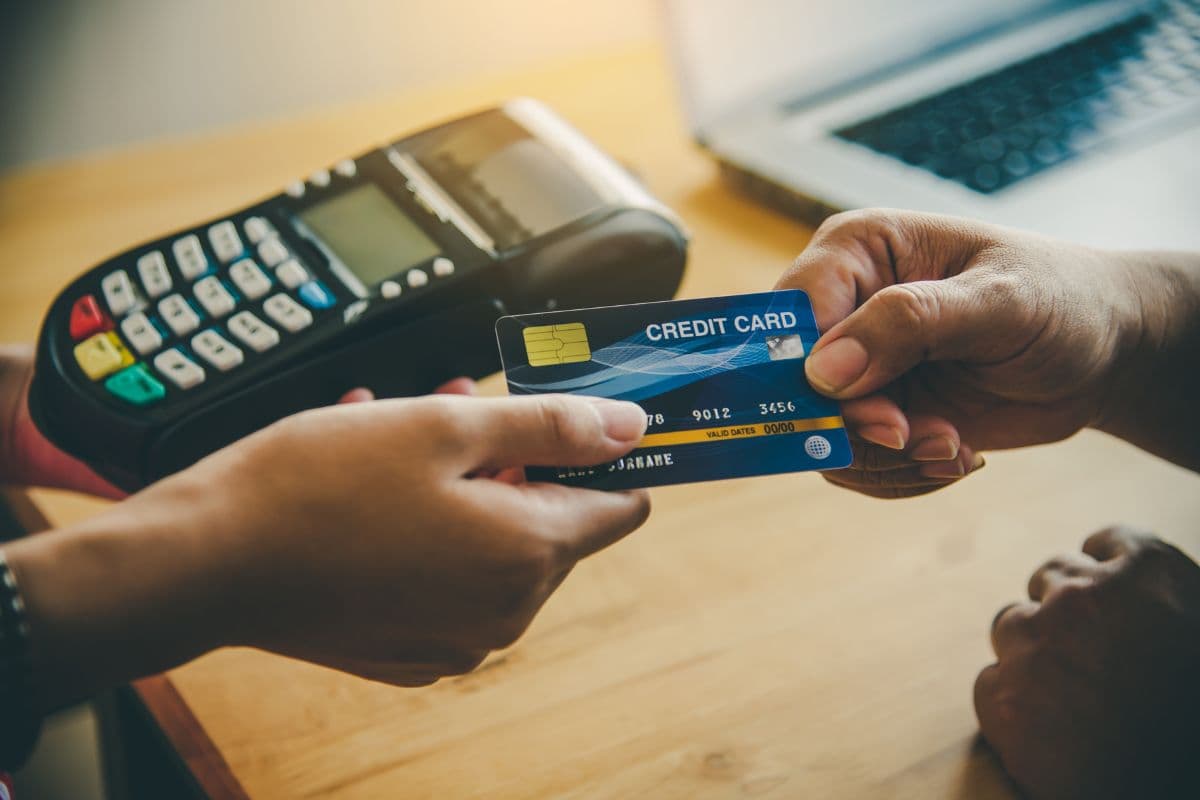
The transaction process begins when a card is presented for payment. The merchant’s system sends an authorization request through the card network to the issuer, which verifies available credit and account status. Approved transactions proceed to settlement.
Chargebacks occur when cardholders contest transactions. The process involves investigation of the dispute, potential merchant response, and final determination of fund allocation.
APR vary by transaction type, with higher rates typically applying to cash advances. Interest compounds on unpaid balances, significantly increasing debt over time when only minimum payments are made.
Credit cards may carry multiple fees:
Monthly minimum payments represent a small percentage of the balance. While this offers flexibility, carrying balances leads to compounding interest charges.
EMV chips generate unique transaction codes, preventing card cloning. Two-factor authentication adds security layers for digital transactions, while virtual card numbers protect primary account details during online purchases.
Zero Liability Protection shields consumers from unauthorized charges. This security framework includes fraud monitoring systems and immediate dispute resolution procedures.
Standard cards offer basic borrowing capability, while rewards cards provide points or cashback.
Timely, full payments avoid interest charges and maintain positive credit history. Regular account monitoring and spending tracking help prevent overleveraging.
Understanding credit utilization impact on credit scores guides optimal card use. Available tools help track expenses, monitor account activity, and maintain healthy credit practices.
Credit cards can support or hinder your financial goals depending on how you use them. Treat your card like cash whenever possible, aim to pay your balance in full each month, and monitor your statements regularly for unauthorized charges. By understanding the mechanics behind credit cards, you’re better equipped to make informed decisions about using credit responsibly.
This article is intended for general informational purposes only and does not constitute financial, legal, or professional advice. The strategies discussed may not apply to all situations or credit cards. Always review the specific terms and conditions of any credit card offer and consult with a qualified financial advisor before making decisions related to your personal finances.