Jul 01, 2026
How SoFi Private Student Loans Work and What Eligible Students Should Know Today
- Jeff Weasley


How Many Credit Cards Should You Have: Expert Guide & Analysis
Finding your ideal number depends on factors like spending habits, lifestyle, and how well you manage debt. This guide breaks it all down to help you make thoughtful, informed choices.
Digital payment evolution has transformed credit card utilization, leading to more strategic approaches in card ownership. These statistics reflect broader economic factors and varying consumer preferences across markets, while demonstrating the growing sophistication in personal finance management.
Payment history represents the most significant factor in credit scoring. A track record of timely payments across existing credit accounts indicates readiness for additional cards. This reliability demonstrates the financial discipline necessary for managing multiple credit obligations.
Maintaining a credit utilization ratio below 30% suggests effective credit management skills. This threshold becomes more manageable with multiple cards, as the total available credit increases, potentially improving credit scores when managed properly.
Multiple cards require stable income and established money management habits. The ability to track and manage existing financial obligations while maintaining emergency savings demonstrates preparedness for additional credit accounts.
For those new to credit, 1-3 cards provide an appropriate foundation. This range allows newcomers to build credit history while developing responsible payment habits without becoming overwhelmed by multiple accounts.
Consumers with established credit histories might benefit from 4-6 cards, particularly when maximizing various reward programs. This strategy works best for individuals who consistently pay balances in full and actively track their spending.
Business owners and frequent travelers often maintain additional cards to separate expenses and maximize category-specific rewards. These users typically demonstrate advanced credit management skills and clear financial objectives.
Having several credit cards can support your credit profile by:
Important: These outcomes depend on consistent, responsible use. They are not guaranteed simply by opening more accounts.
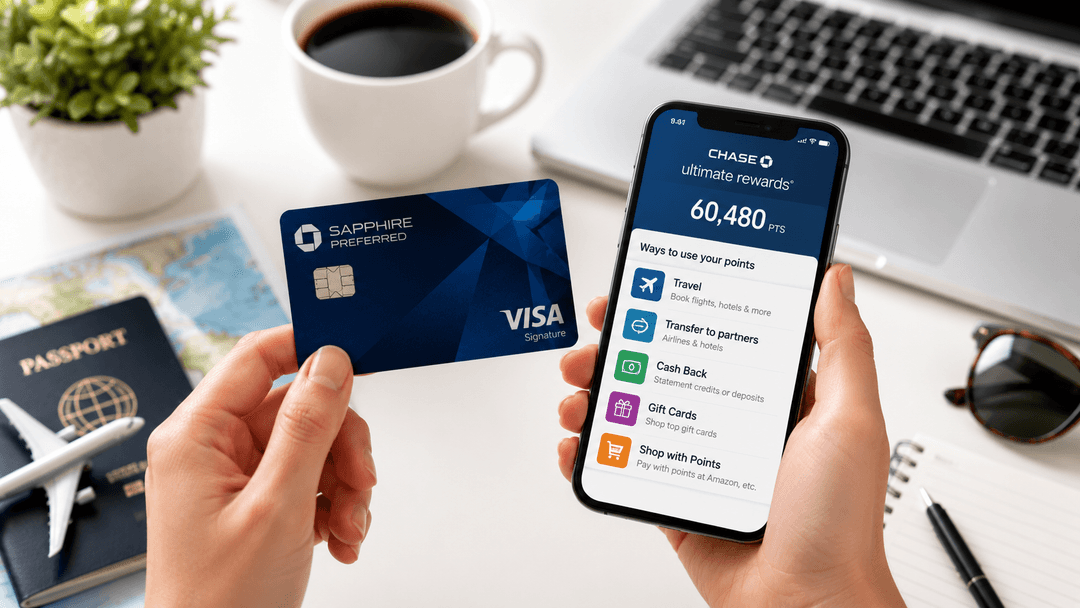
Different cards may offer:
Choose cards that match your real spending behavior—not just for rewards.
Having more than one card may be helpful if:
Note: Benefit availability may vary by card issuer and network. Always check your card’s terms.
More cards mean:
Consider these potential drawbacks:
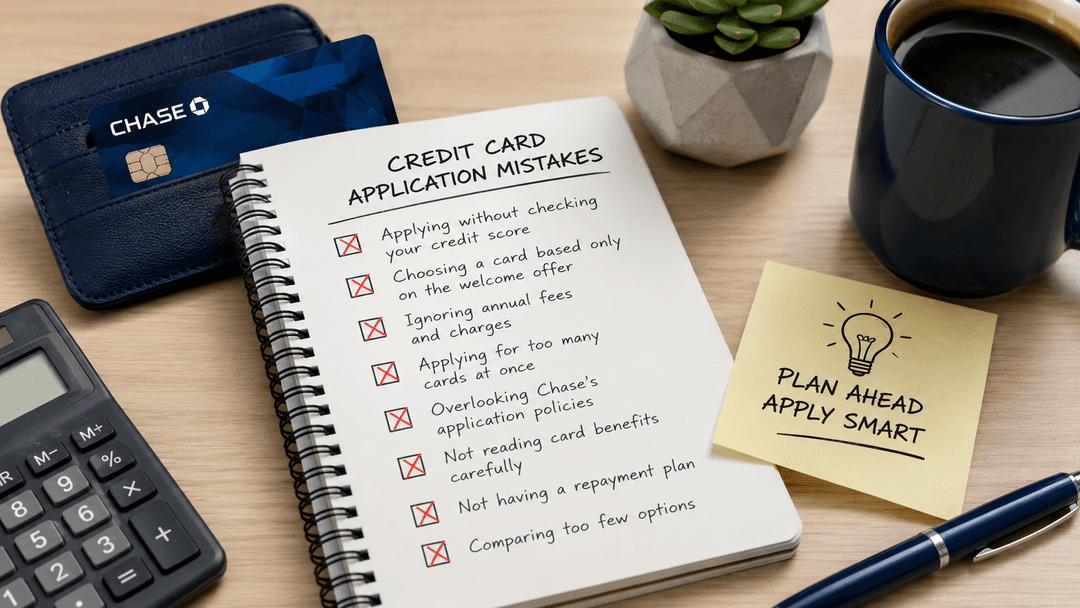
Multiple applications can impact credit through:
Implement robust tracking systems:
Optimize card benefits through:
Maintain credit profile health by:
There’s no one-size-fits-all answer to how many credit cards you should have. Instead, focus on what supports your personal financial goals and what you can manage confidently. Start small. Build habits. Then expand if—and only if—it adds real value to your financial strategy.
This article is intended for general informational purposes only and does not constitute financial, legal, or professional advice. The strategies discussed may not apply to all situations or credit cards. Always review the specific terms and conditions of any credit card offer and consult with a qualified financial advisor before making decisions related to your personal finances.