
5 Mistakes People Make When Picking Credit Cards Online
Shopping for a credit card online might sound simple. Type in a few preferences, click through some offers, and apply. But things are not always that straightforward.
Hidden fees, confusing reward programs, and unclear credit score requirements can make things tricky. One small oversight can lead to a card that does not match your needs. Or worse, it might cost you more in the long run.
Avoiding mistakes when choosing a credit card saves you time and money. And no, it does not take a financial expert to get it right.
Here’s what to watch out for—and how to make smarter choices.
Mistakes When Choosing a Credit Card Are Easier to Make Than You Think
Online applications move fast. But quick clicks can turn into expensive decisions. Here are five common credit slip-ups many people make.
1. Ignoring the Fine Print on Fees
Many cards come with tempting perks. But buried in the details are costs you might miss.
Watch for annual fees, late payment charges, foreign transaction fees, and balance transfer costs. Understanding credit card fees makes a big difference. Some cards charge $95 or more per year, while others are free. Some offer intro deals but raise rates later.
Always read the fee structure. Even a small monthly charge can add up fast.
2. Not Checking Credit Score Requirements
Every card has a target range. Some are built for beginners. Others need good or excellent credit.
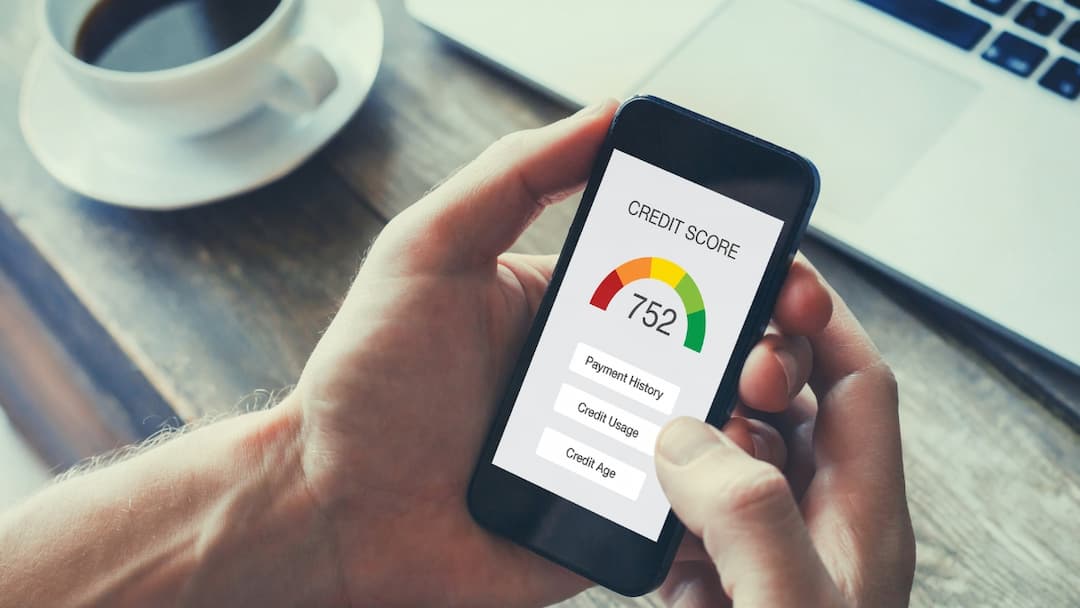
If your score is lower than required, you might get denied or offered worse terms. Knowing the credit score requirements up front saves you time. It also protects your score from unnecessary hard inquiries.
Before you apply, check where your score stands. Then match it with cards designed for that level.
3. Focusing Only on Rewards
Cash back and travel points look great in ads. But rewards lose value if you pay high interest or never use the perks.
Instead of picking the flashiest offer, focus on what fits your lifestyle. The best credit card features are the ones that give you steady value—like no fees, flexible payments, or cashback on regular spending.
If you rarely fly, skip the airline card. If you carry a balance, look for low APRs.
4. Choosing Without Using a Comparison Tool
With so many cards available, it’s easy to feel overwhelmed. That’s where online tools help.
Using a card comparison site lets you sort by rate, fees, features, and credit requirements. This cuts through the clutter fast. It also helps you spot common credit card errors, like overlooking hidden fees or picking a card outside your credit range.
Don’t rely on one brand’s site. Compare across providers and look at side-by-side features before you apply.
5. Not Knowing How to Choose a Credit Card Based on Your Habits
Choosing the right card starts with understanding your spending style. Do you shop often? Do you travel? Do you carry a balance?
Knowing how much you spend, what you spend it on, and how often you pay your bill helps you decide.
The key to how to choose a credit card is aligning the benefits with how you actually use it. If you pay in full every month, interest might not matter much. But if you don’t, APR becomes more important than rewards.
Product Pricing Snapshot
Some of the most competitive cards range from $0 to $550 in annual fees. Low-interest cards can offer rates starting at 17.49% APR. Cashback cards typically give 1.5% to 2% on everyday purchases.
One example is a card that has no annual fee and gives unlimited 1.5% cashback. Another one charges $95 a year but includes strong travel rewards and sign-up bonuses worth over $750 in value.
Always weigh the price against the benefits. That’s the only way to know if it’s really worth it.
Take Control of Your Credit Card Choice Today
Avoiding mistakes when choosing a credit card is easier when you know what to look for. Fees, rates, and perks all matter—but only if they match how you use the card.
So slow down. Compare your options. Use tools that show you the full picture.
Pick a card that actually works for you—and skip the regrets later.
Need help choosing the right fit? Start with a trusted card comparison tool and get real numbers before you apply.
Suggested Posts
All PostsAllAll PostsAll

How National Debt Relief Supports You When Credit Card Bills Keep Growing
- James Anderson