May 08, 2026
How Smart Financial Planning May Help Families Manage Rising College Costs More Effectively
- Katie Swift


What You Need to Know About Personal Injury Settlement Negotiation and Compensation
A personal injury settlement is an agreement that may resolve a legal dispute after someone suffers injuries because of another party’s actions or negligence. Settlements are common in personal injury cases and might help both sides avoid a lengthy court process.
While every case is different, understanding how personal injury settlements work may help injured individuals make informed decisions during the legal process.
A personal injury settlement is a financial agreement between the injured person and the party that may be responsible for the injury. In many situations, the settlement is reached outside of court.
The injured person may receive compensation for losses related to the accident or injury. In exchange, they usually agree not to pursue further legal action connected to the incident.
Settlements might happen after different types of accidents, including:
The outcome of each case may depend on several factors, including the severity of the injury, available evidence, insurance coverage, and state laws.
Although timelines and procedures vary, the settlement process often follows several general steps.
After an accident, the injured person may seek medical attention. Medical records might later help show the extent of injuries and related expenses.
Important documentation may include:
Keeping organized records might support a claim during settlement discussions.
Insurance companies, attorneys, or investigators may review the details of the incident. This process might involve:
In some cases, fault may be disputed, which could affect settlement negotiations.
Once damages are evaluated, the parties may begin negotiating a settlement amount. Insurance companies might make an initial offer, though it may not always reflect the full value of the claim.
Negotiations could continue until both sides reach an agreement or decide to pursue litigation.
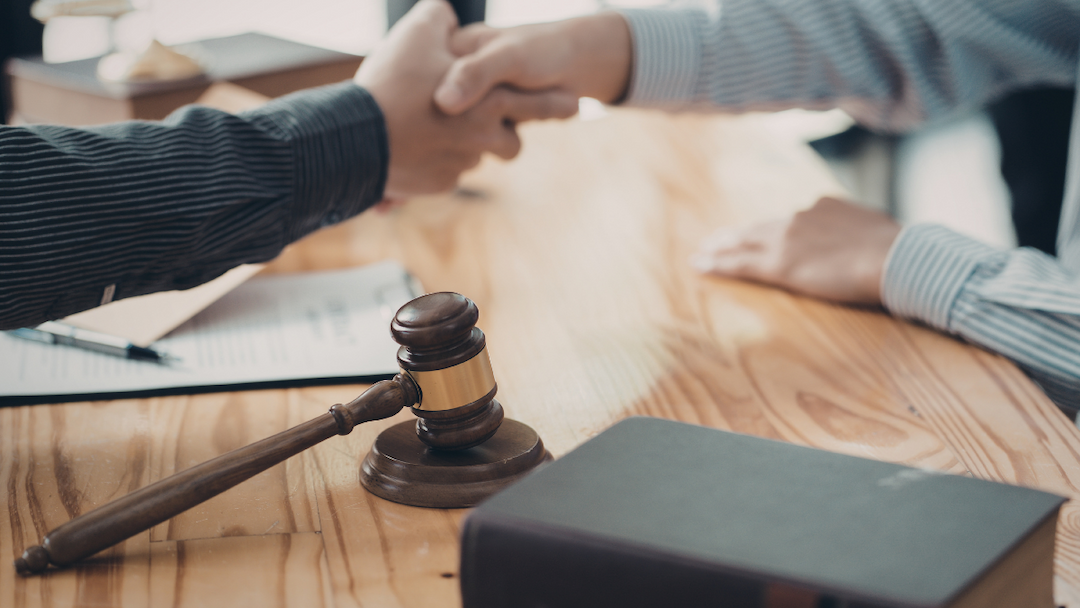
If both parties agree to the terms, the settlement may be finalized through a written agreement. After signing, the injured person generally receives compensation and may waive the right to file future claims related to the incident.
No two personal injury cases are exactly alike. Several factors might influence the value of a settlement.
Serious injuries may result in higher settlement amounts because they could involve:
Minor injuries may lead to smaller settlements, especially if recovery occurs quickly.
Current and future medical costs may play a major role in determining compensation. Accurate documentation of treatment expenses might strengthen a claim.
If an injury prevents someone from working, they may seek compensation for lost income. In some situations, future earning potential might also be considered.
Some settlements may include compensation for emotional distress, discomfort, or reduced quality of life. These damages can be harder to calculate because they are subjective.
Settlement amounts may also depend on the insurance coverage available in the case. Even if damages are significant, policy limits might affect the final payout.
In some states, compensation may be reduced if the injured person is found partially responsible for the accident.
The timeline for a personal injury settlement may vary widely. Some cases settle within a few months, while others might take longer.
Factors that could affect timing include:
Settling too early may carry risks, especially if future medical needs are still unknown.
An initial settlement offer may not always fully cover current and future damages. Insurance companies sometimes attempt to resolve claims quickly.
Before accepting any offer, injured individuals might consider reviewing:
In some situations, consulting a personal injury attorney may help clarify available options.
Not necessarily. Many personal injury claims are resolved through settlements before reaching trial.
However, some cases might proceed to court if:
Litigation may increase the time and expense involved, though it could sometimes lead to a different outcome.
Some personal injury claims are relatively straightforward, while others may involve complicated legal or medical issues. Legal guidance might be helpful in cases involving:
An attorney may explain legal rights, negotiate with insurers, and help evaluate settlement offers.
A personal injury settlement may provide financial compensation after an accident or injury caused by another party’s actions. Since every case is different, settlement amounts and timelines can vary significantly.
Understanding the settlement process, available damages, and potential challenges may help injured individuals make informed decisions. Anyone dealing with a personal injury claim might benefit from reviewing their options carefully before agreeing to a settlement.