Jul 01, 2026
How SoFi Private Student Loans Work and What Eligible Students Should Know Today
- Jeff Weasley

Personal Loan vs Credit Card: How to Pick the Smarter Borrowing Tool
Americans carry an average of $5,733 in credit card debt according to recent Federal Reserve data, often paying premium interest rates that compound their financial strain. When facing large expenses or considering debt consolidation, the choice between personal loans and credit cards can literally save you thousands of dollars over time.
As one financial advisor I spoke with put it, “The right borrowing tool at the right time is like choosing between a sledgehammer and a scalpel—both have their purpose, but using the wrong one can cause unnecessary damage to your financial health.”
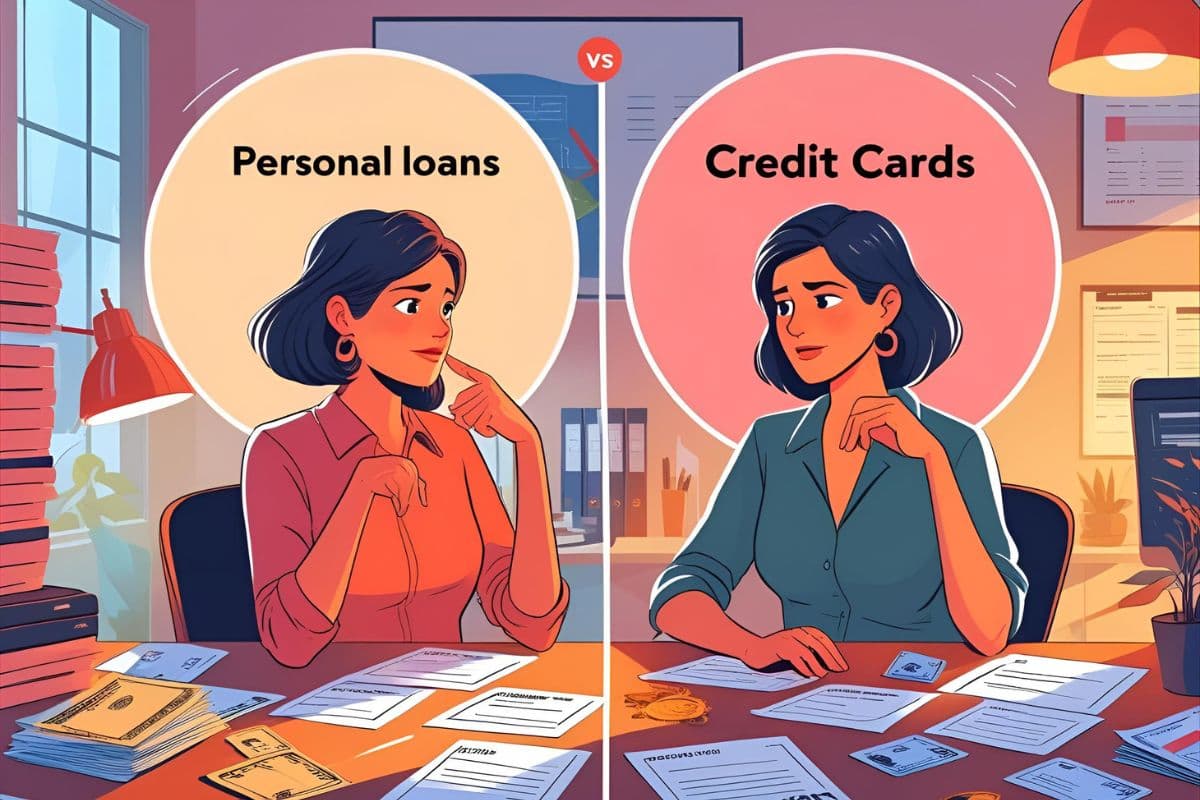
Personal loans and credit cards represent fundamentally different approaches to borrowing money. While both provide access to funds when you need them, their structures, costs, and optimal use cases vary significantly. Your financial circumstances, borrowing needs, and repayment capabilities should guide your decision between these two options.
Recent data indicates that the average personal loan in America carries an interest rate between 6-20%, while credit cards typically range from 15-25% APR. This difference directly impacts your total repayment amount and long-term financial health.
Personal loans provide a structured borrowing experience with fixed terms and predictable payments. You’ll receive a lump sum between $1,000 and $50,000, depending on your creditworthiness and lender policies. The repayment period typically spans 1-7 years, with consistent monthly payments throughout the term.
One significant advantage is the fixed interest rate, usually between 6-20% APR based on your credit profile. This stability means your payment amount remains unchanged for the entire loan term, allowing for precise budgeting. However, once you’ve repaid a personal loan, the account closes—there’s no revolving access to those funds.
Credit cards offer revolving credit with predetermined limits that renew as you pay down the balance. This revolving structure provides exceptional flexibility—you can use as much or as little of your available credit as needed, whenever you need it.
The interest rates on credit cards typically range from 15-25% APR, with some exceeding 30% for individuals with lower credit scores. Your required monthly payments are relatively small (usually 1-3% of the balance), which creates convenience but can lead to extended debt if you only make minimum payments.
The interest rate gap between personal loans and credit cards creates a substantial difference in the total cost of borrowing. Personal loans typically offer rates 5-15% lower than credit cards, translating to significant savings over time.
Consider this example: On a $10,000 balance paid over 3 years:
This comparison reveals a striking $2,000 difference—money that could be directed toward savings, investments, or other financial goals rather than interest payments.
Beyond the headline interest rates, both options carry additional costs worth evaluating. Personal loans often include origination fees ranging from 1-8% of the loan amount, effectively increasing your borrowing costs upfront.
Credit cards may charge annual fees, balance transfer fees (typically 3-5% of transferred amounts), and substantially higher rates for cash advances. Both options impose penalties for late payments, which can damage your credit score and trigger penalty APRs on credit cards.
Some personal loans also include prepayment penalties if you pay off the balance early, potentially reducing the benefit of accelerated repayment.
Consolidating high-interest credit card debt into a lower-rate personal loan often produces substantial savings. For instance, combining multiple credit card balances averaging 22% APR into a personal loan at 10% APR could save thousands in interest over the repayment period.
Beyond the interest savings, the fixed repayment schedule enforces financial discipline and provides a definitive debt-free date. Additionally, transferring revolving debt to an installment loan can improve your credit utilization ratio, potentially boosting your credit score.
Personal loans excel for significant, one-time expenses with clear budgets. Home improvement projects, such as kitchen renovations or bathroom remodels, typically cost between $10,000-$50,000—amounts that would be prohibitively expensive on credit cards.
Other suitable uses include medical procedures not covered by insurance, wedding expenses (averaging $28,000 in 2023), or educational costs that don’t qualify for traditional student loans. The predictable payment structure helps incorporate these large expenses into your budget without the uncertainty of variable credit card rates.
The financial benefits extend beyond interest savings. The predictability of fixed payments simplifies monthly budgeting and reduces financial stress compared to managing fluctuating credit card payments. Many borrowers report improved sleep and decreased anxiety after consolidating variable debt into a fixed-rate personal loan.
Credit cards can be remarkably cost-effective for short-term financing. Many cards offer 0% APR introductory periods on purchases or balance transfers, typically lasting 12-21 months. For disciplined borrowers who can repay the balance before this promotional period ends, this represents interest-free borrowing.
Most credit cards also provide grace periods (usually 21-25 days) during which no interest accrues if you pay your statement balance in full. Combined with rewards programs offering 1-5% cash back or travel benefits, strategic credit card use can actually create positive financial returns.
Credit cards provide unmatched convenience for emergency situations requiring immediate funds. Their flexibility accommodates unpredictable expenses better than personal loans, particularly for amounts you can repay within 1-3 months.
Purchases that qualify for enhanced rewards categories (like 5% cash back on groceries or 3x points on travel) can generate meaningful benefits when paid off promptly. This approach turns necessary spending into financial advantages.
Responsible credit card management often builds credit history more efficiently than personal loans. The credit scoring algorithms favor the consistent demonstration of responsible revolving credit management, especially when maintaining low utilization ratios (under 30% of available credit).
For those establishing or rebuilding credit, secured credit cards (backed by a security deposit) provide an accessible entry point to the credit system and a pathway toward premium financial products.
Most mainstream lenders require minimum credit scores between 640-680 for personal loans, though some options exist for scores as low as 580. Beyond credit scores, lenders evaluate your debt-to-income ratio, typically preferring it to remain below 36-40%.
Your creditworthiness directly influences the loan amount, interest rate, and available terms. Higher credit scores (720+) typically qualify for larger loan amounts, lower interest rates, and more flexible repayment terms.
Pre-qualification through platforms like NerdWallet allows you to explore potential loan offers without affecting your credit score through hard inquiries.
Credit card issuers determine credit limits based on your income, existing debt obligations, and credit history. Your credit score significantly impacts not only approval odds but also the interest rate you’ll receive—the difference between a 690 and 750 score could mean an APR gap of 5-10 percentage points.
For those with limited or damaged credit, secured credit cards provide an alternative path to credit access, though they require security deposits and typically offer lower credit limits.
Multiple credit applications in a short period can temporarily reduce your credit score by 5-10 points per inquiry, potentially affecting approval odds and rate offers.
Before selecting between a personal loan and credit card, honestly assess your repayment timeline. If you can realistically eliminate the debt within 12 months, a 0% APR credit card might be optimal. For longer repayment periods, personal loans typically minimize total costs.
Consider your income stability—fixed personal loan payments require consistent monthly income, while credit cards offer more flexibility during income fluctuations. Evaluate whether you need continuous access to credit or a one-time amount for a specific purpose.
Also assess how either option affects your credit utilization ratio. Converting credit card debt to a personal loan often improves this important credit score factor.
Many financial experts recommend strategic combinations of both tools. For example, transferring high-interest credit card debt to a 0% balance transfer card for 12-18 months, then converting any remaining balance to a personal loan before the promotional rate expires.
Another effective strategy involves using credit cards for everyday purchases to earn rewards, while maintaining a personal loan for major expenses requiring extended repayment. This approach maximizes the benefits of both borrowing methods while minimizing their respective drawbacks.
Creating a debt payoff ladder—focusing intensively on your highest-interest debt first—can incorporate both personal loans and credit cards in a comprehensive debt reduction strategy.
The personal loan vs credit card decision ultimately comes down to your specific financial circumstances and goals. For large, one-time expenses with a clear repayment timeline, personal loans typically save thousands in interest costs while providing structure and discipline. For smaller, temporary needs or those who can pay balances quickly, credit cards offer unmatched flexibility and potential rewards.
Remember that the best financial strategy often involves using both tools appropriately—credit cards for everyday expenses you can pay off monthly, and personal loans for larger purchases or consolidating existing high-interest debt.
Ready to explore your options? Compare personalized loan offers through NerdWallet without affecting your credit score, and take the first step toward smarter borrowing today.
This article is intended for general informational purposes only and does not constitute financial, legal, or professional advice. The strategies discussed may not apply to all situations or credit cards. Always review the specific terms and conditions of any credit card offer and consult with a qualified financial advisor before making decisions related to your personal finances.