
May 08, 2026
How Smart Financial Planning May Help Families Manage Rising College Costs More Effectively
- Katie Swift

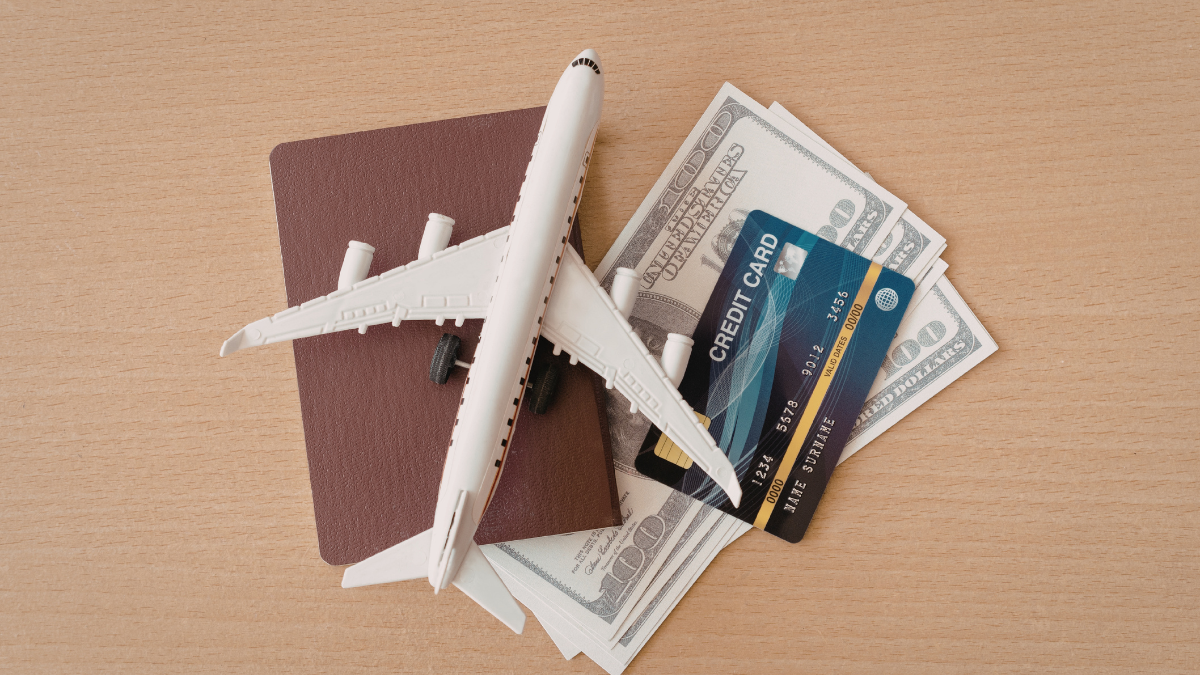
What You Need to Know Before You Use Your Credit Card Abroad
Advertiser Disclosure:
We receive compensation from the products and services mentioned on this page. Compensation may impact where offers appear. We have not included all available products or offers.
Using a credit card while traveling internationally can be convenient, but it also comes with a few important considerations. From foreign transaction fees to security concerns, understanding how credit cards work abroad can help you avoid unexpected issues and manage your spending more effectively.
This guide explains what to expect and how to prepare before using your credit card in another country.
Many credit cards are accepted worldwide, especially those backed by major payment networks. However, acceptance may vary depending on the country and the type of establishment.
Before traveling, it may help to:
Some credit cards charge a foreign transaction fee for purchases made outside your home country or in a foreign currency. These fees are usually a percentage of each transaction.
Understanding whether your card includes these fees can help you plan your spending while traveling.
You can learn more about credit cards designed for international use to compare available options.
When making purchases abroad, you may be given the option to pay in your home currency or the local currency.
In many cases, paying in the local currency may help you avoid additional conversion costs. Exchange rates can vary depending on the payment network and the merchant’s system.
Taking a few steps before your trip can help reduce the chances of declined transactions or account flags.
Some providers monitor unusual activity and may flag international transactions. Letting them know about your travel plans could help avoid interruptions.
Transaction alerts can help you keep track of purchases in real time and quickly spot unfamiliar activity.
Having a backup credit card or alternative payment method may be useful in case one card is declined or not accepted.
Traveling can increase exposure to certain risks, so it’s important to stay cautious.
Stick to ATMs located in banks or well-lit areas, and check for anything unusual before inserting your card.
Using unsecured networks may expose your personal information. A secure connection is a safer option when accessing financial accounts.
Consider using a wallet with RFID-blocking features or storing your card in a secure location while exploring.
If your credit card is lost or stolen while abroad:
Acting quickly may help reduce potential issues.
Some credit cards include features that may be helpful when traveling internationally, such as:
Some cards may include travel-related features depending on the issuer.
Using a credit card abroad can be a practical way to pay for purchases, but preparation is key. Understanding fees, monitoring your transactions, and following basic security practices can help you stay on top of your finances while traveling.
Planning ahead may help reduce unexpected charges and keep your experience smoother. You can learn more about travel-friendly credit card categories to explore options that may suit your needs.
Editorial Disclosure:
Opinions expressed on this page are the author’s alone, not those of any bank, credit card issuer, airline, or hotel chain, and have not been reviewed, approved or otherwise endorsed by these entities.